30 Oct 2009

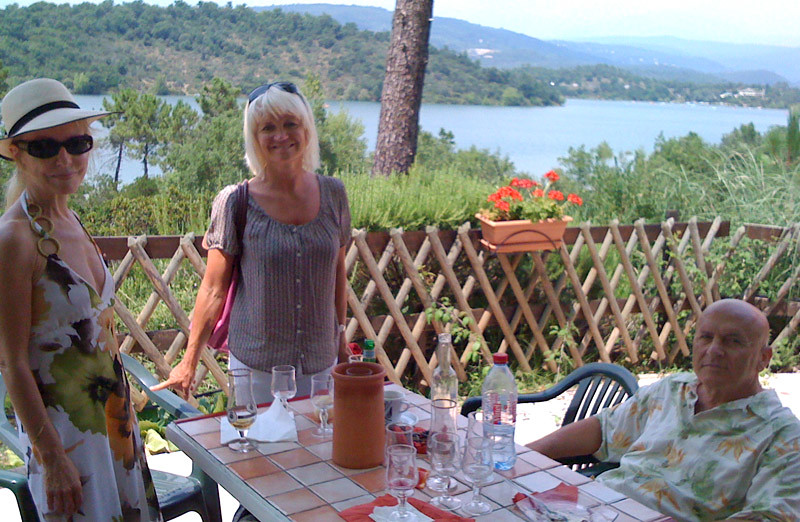
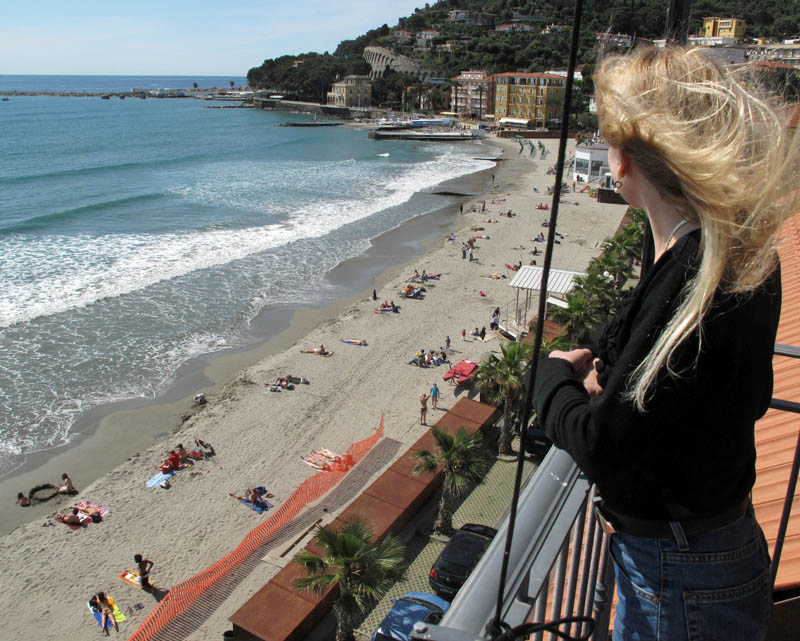
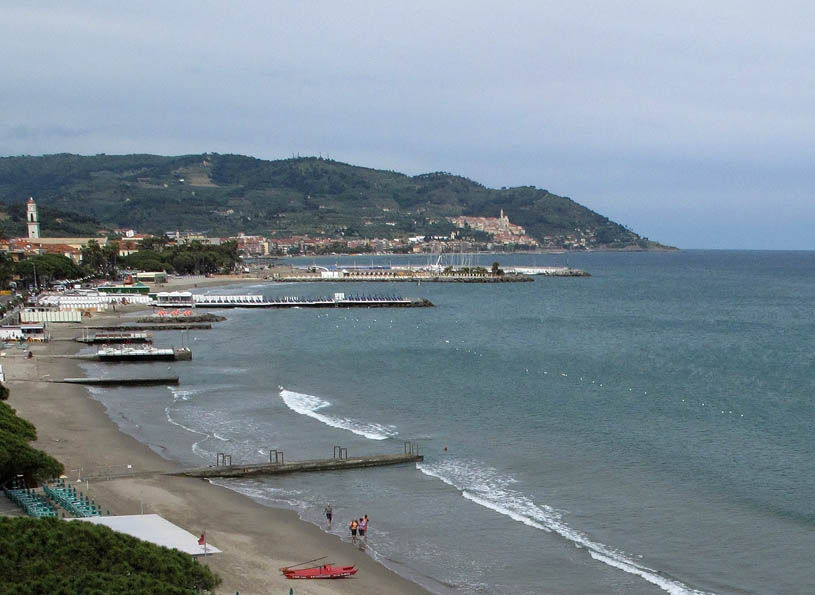
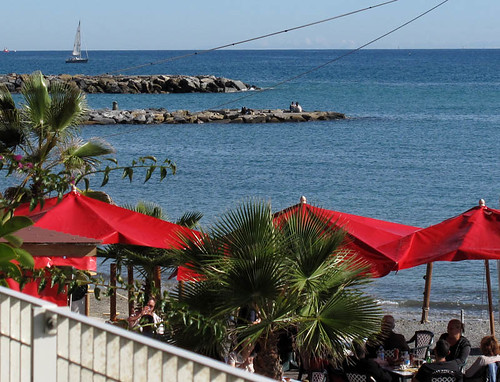
boat-beach-cafe-s-remo-7941


boat-beach-cafe-s-remo-7941, originally uploaded by Sybariter.

8 Aug 2009

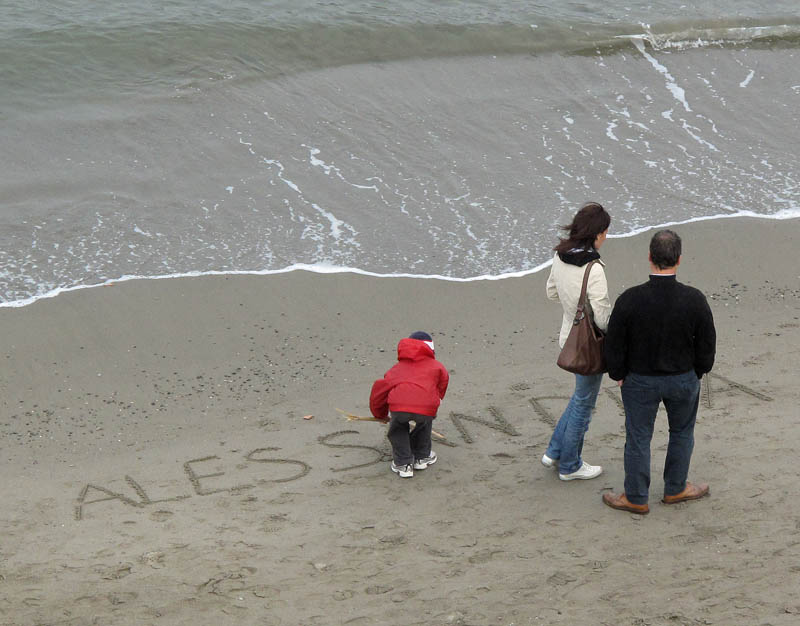
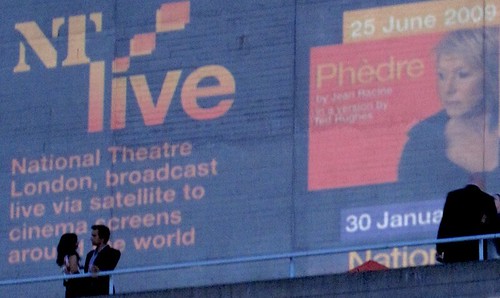
nt-couple-5696


nt-couple-5696, originally uploaded by Sybariter.

South Bank 7-8-09

17 Jul 2009

Tango Place Massena Nice

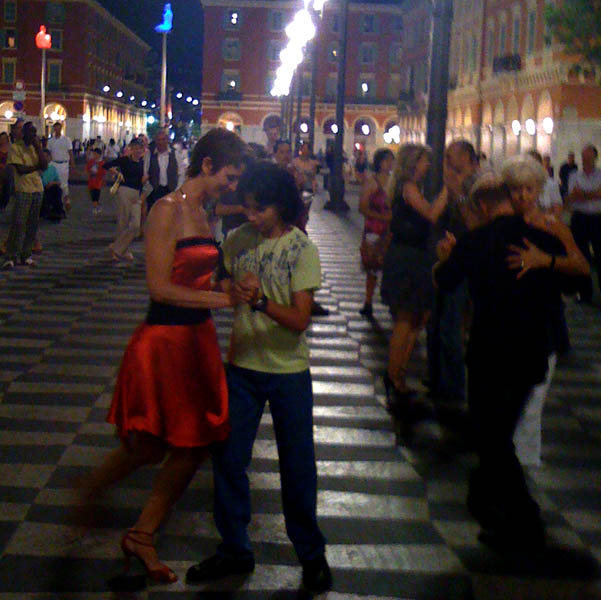
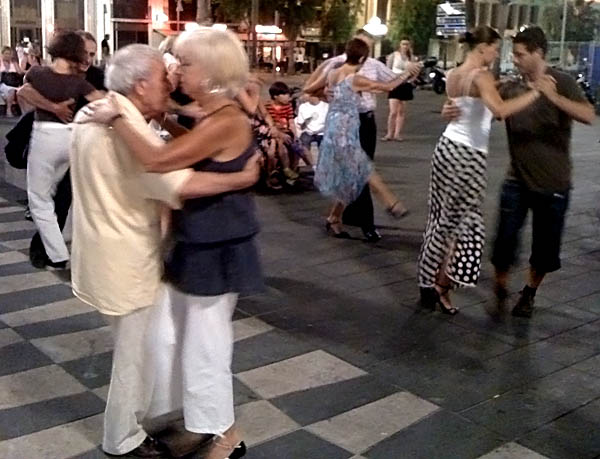
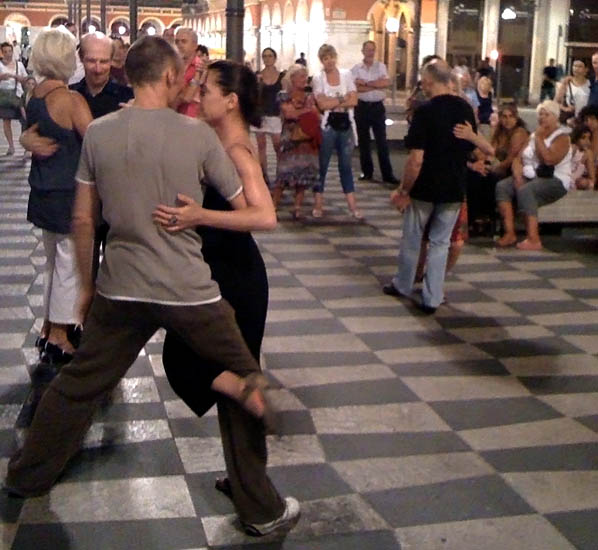
Another reminder to always take the camera: I took a walk to Place Massena, Nice and came across Tango dancers ! Had to make do with the iphone:
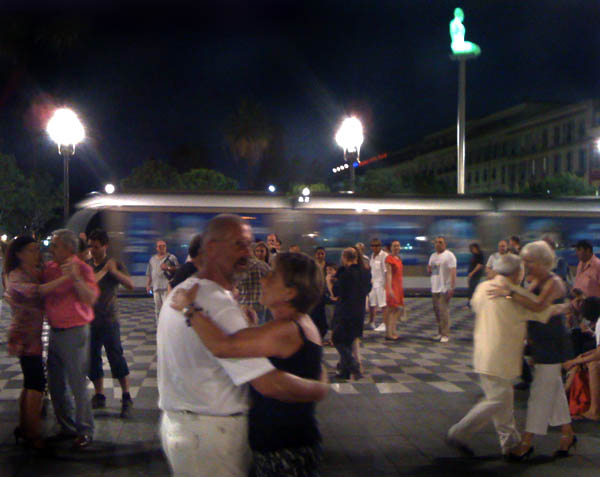
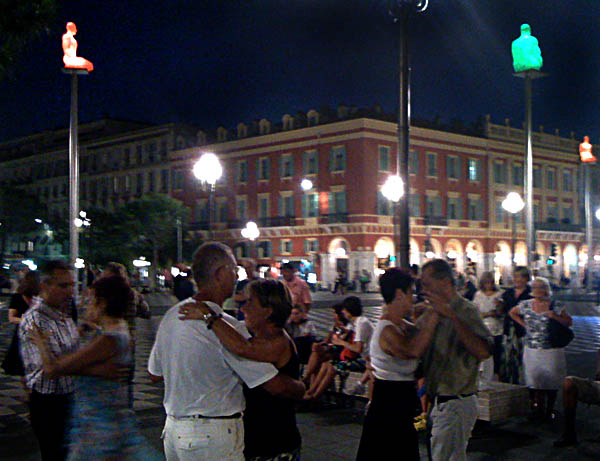
a-tango-tram-0040

a-tango-0027

With his glam mum:

a-tango-mum-0086

A dance for all ages:

a-all-ages-tango-0038

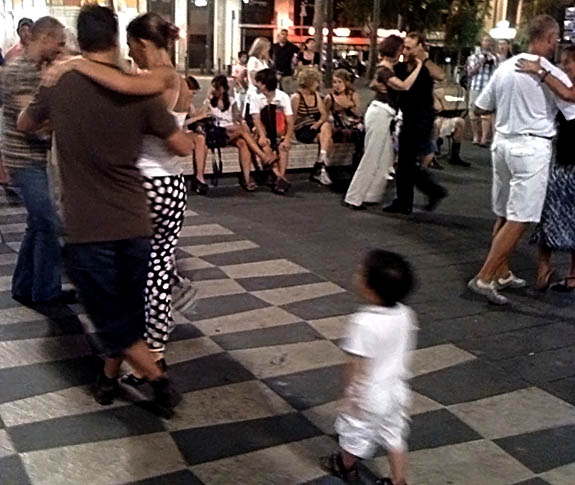
OK, he's a bit too young:

a-kid-tengo-0036

"You aint goin nowhere":

a-tango-leg-0089

"Don't stand so, don't stand too close to me ...":
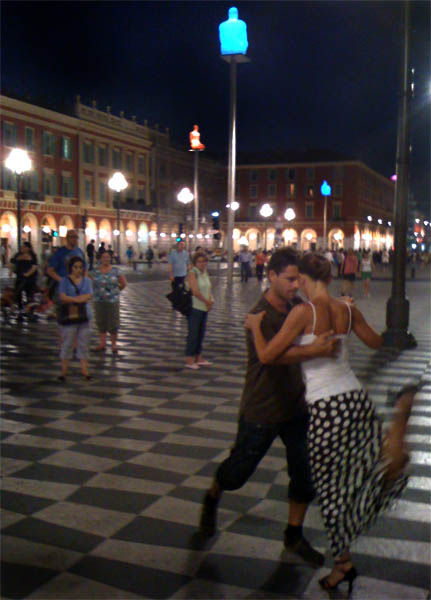
a-tango-leg-0051

24 Jun 2009

Impressionism - the hidden politics

I took a break from the Paris and had a weekend in the country with LEP and visited the kind of area around Paris frequently painted by the Impressionists. Now their paintings are extremely popular and the idea that they were political radicals seems bizarre. However they struggled against the authoritarian systems in the France of their time, most directly the Salon system, which regulated access to the public, but also against the general, authoritarian political system of their early years.


I was lucky enough to be able to stay at LEP's place, near Fontainebleau, which was quite a contrast with the bustle of central Paris:
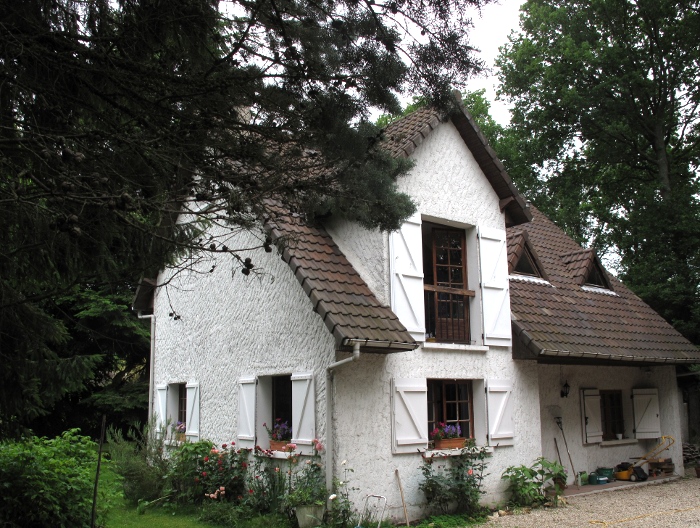
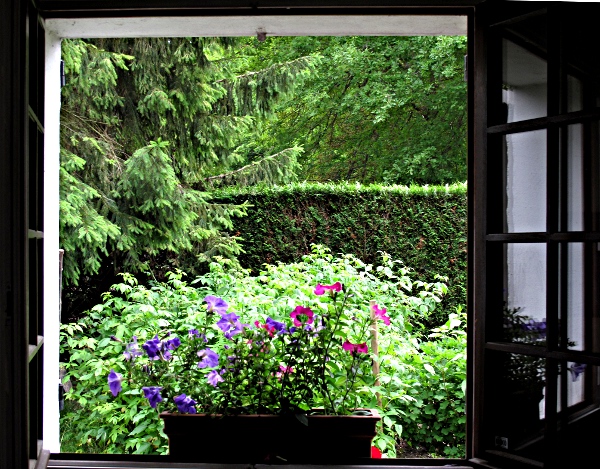
a-lenshouse-paris-4 171


a-lenswindow-paris-4 173

In his garden one could listen to the bird-song:
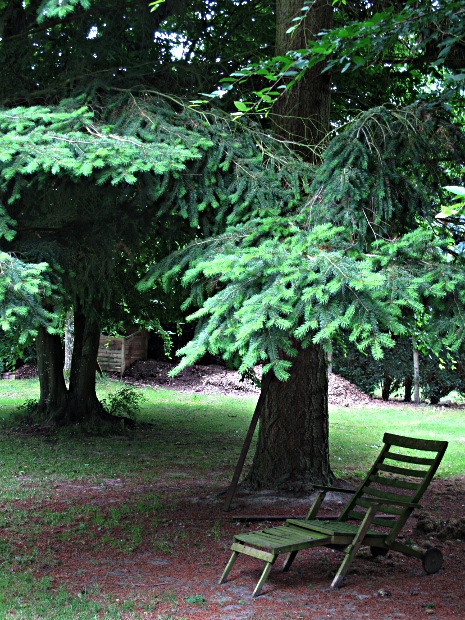
a-lensgarden-paris-4 176

On Saturday we went to nearby Moret-sur-Loing:
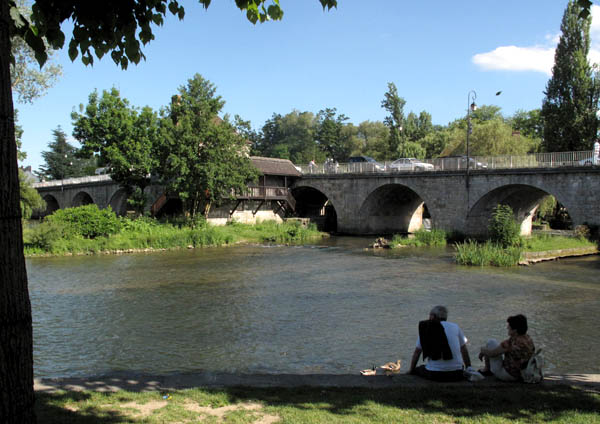
couple-bridge-moret-paris-4 087

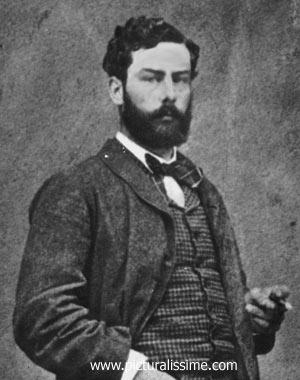
The Impressionist painter Alfred Sisley had spent his last decade there, sadly in poverty:
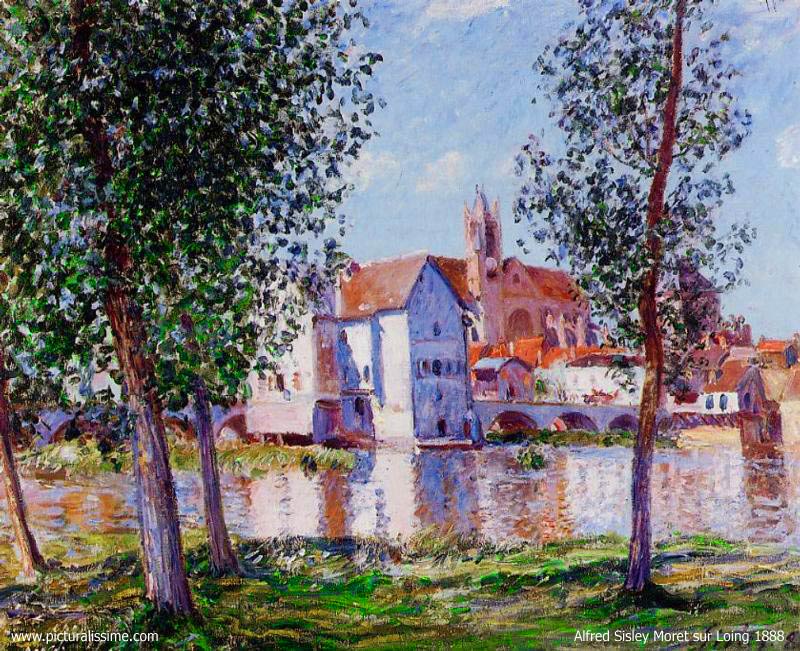
sisley_moret_loing_1888_l


Sisley_Alfred

Sisley was born in Paris to affluent English parents ... At the age of 18, Sisley was sent to London to study for a career in business, but he abandoned it after four years and returned to Paris. Beginning in 1862 he studied at the atelier of Swiss artist Marc-Charles-Gabriel Gleyre, where he became acquainted with Frédéric Bazille, Claude Monet, and Pierre-Auguste Renoir. ... Sisley and his friends initially had few opportunities to exhibit or sell their work. Unlike some of his fellow students who suffered financial hardships, Sisley received an allowance from his father until 1870 [when his father's business collapsed following the Franco-Prussiian War], after which time he became increasingly poor.

http://en.wikipedia.org/wiki/Alfred_Sisley
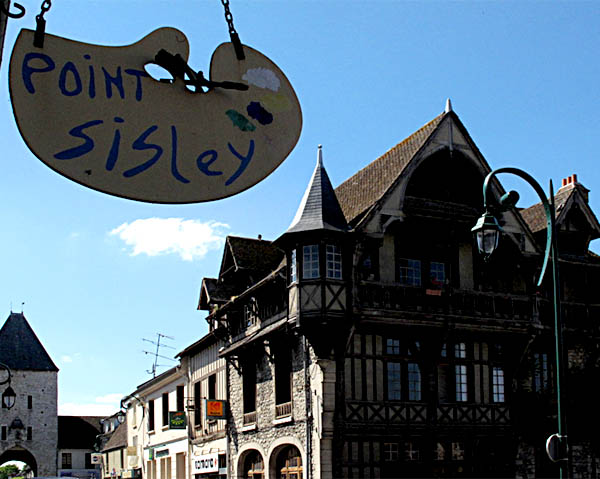

Now of course his paintings sell for millions and there is a "Point Sisley" in the town celebrating his life and work.

a-point-sisley-4 069 copie

The spry eighty-something man inside pointed to the photograph of him (above) and said that it was the cigarettes which killed him, at only 59.

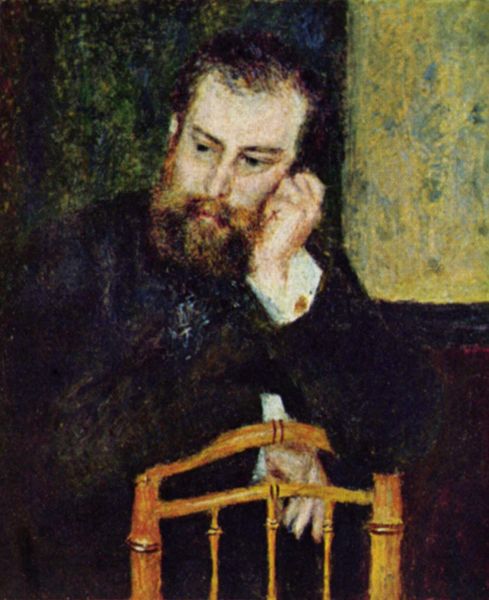
Sisley by Renoir:

sisley-by-renoir


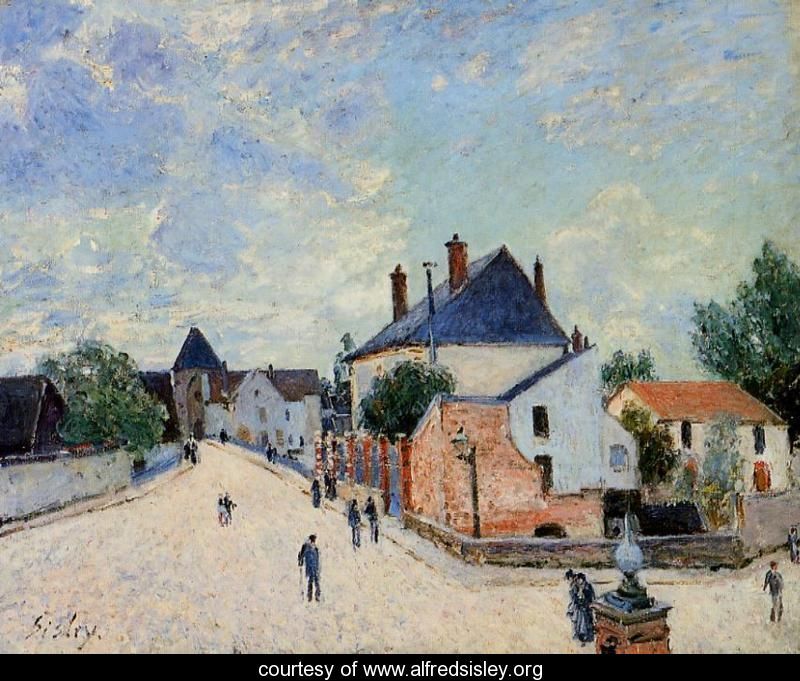
In his time the streets were traffic-free:

Street-in-Moret(Porte-de-Bourgogne-from-across-the-Bridge)-large

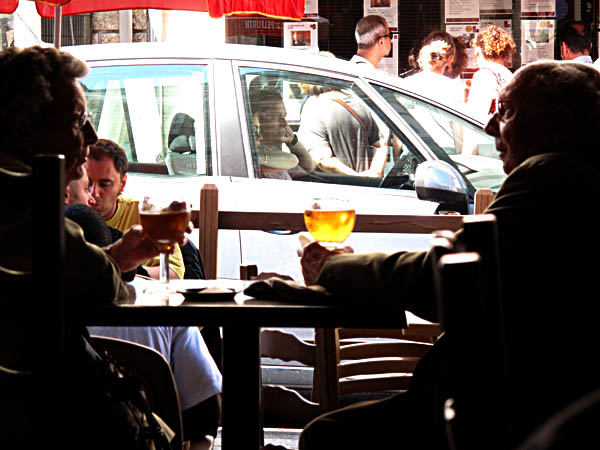
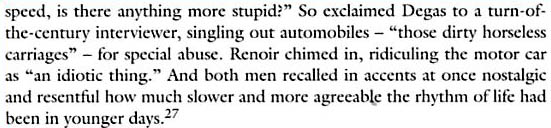
Now people like ourselves fill the streets and the narrow bridge over the Loing with cars, especially at the weekend:

a-cars-moret-4 067

imps-cars

Impressionists and Politics, Philip Nord

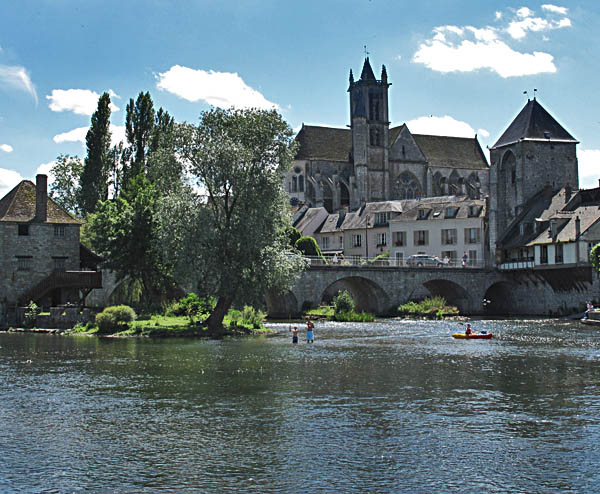
But it's still a pretty, idyllic place:

moret-church-river-4 016

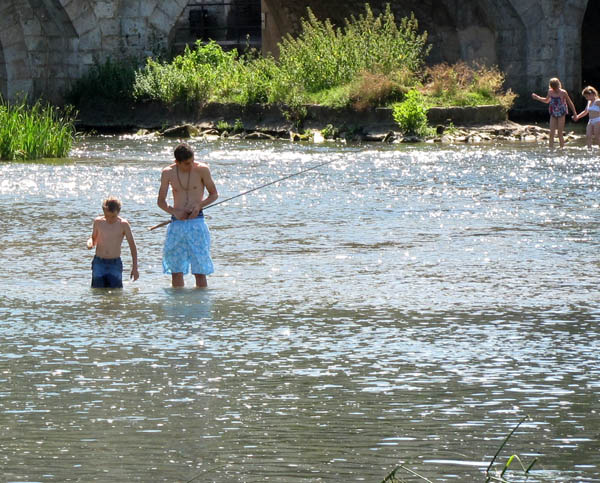
fishing-loing-s-paris-4 022

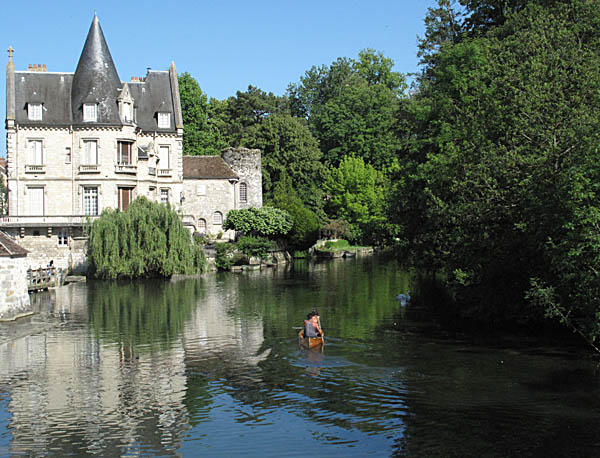
a-moret-chateau-river-paris-4 107

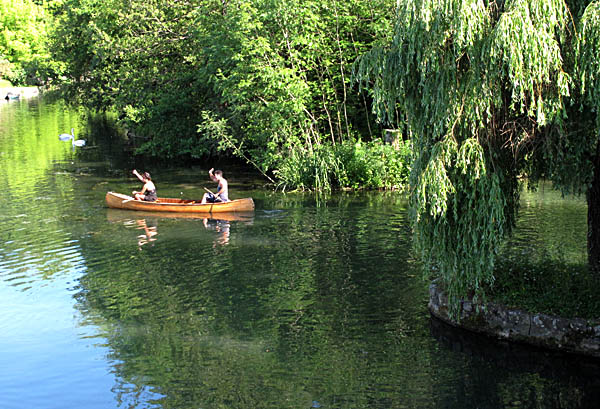
a-moret-boat-paris-4 105

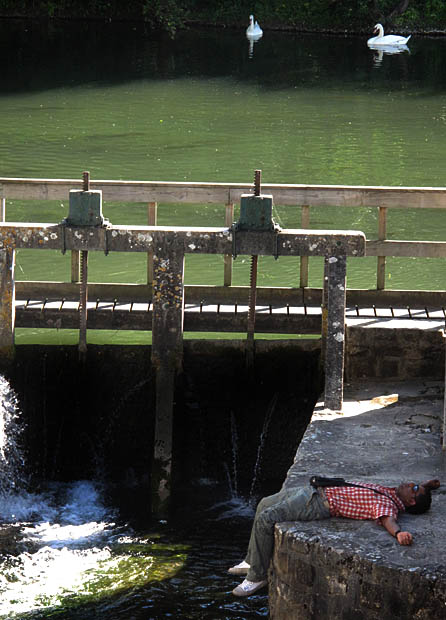
Some people seem to fully abandon themselves to the experience:

a-moret-guy-swans-paris-4 118_modifié-1

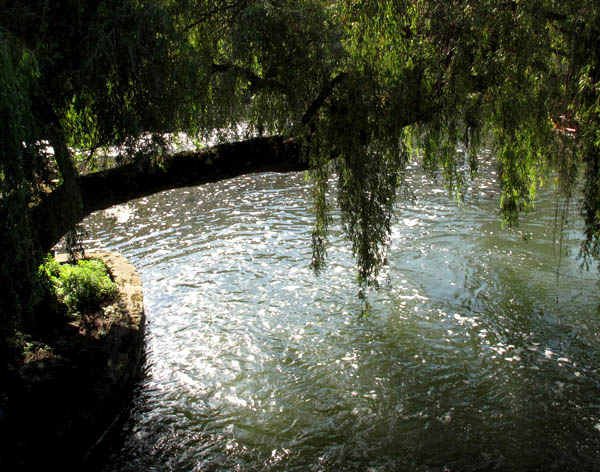
amoret-willow-paris-4 109

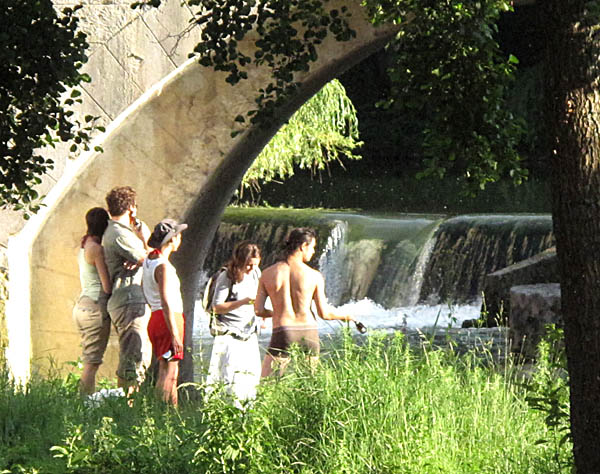
kids-moret-dam--paris-4 126

girl-river-4 056

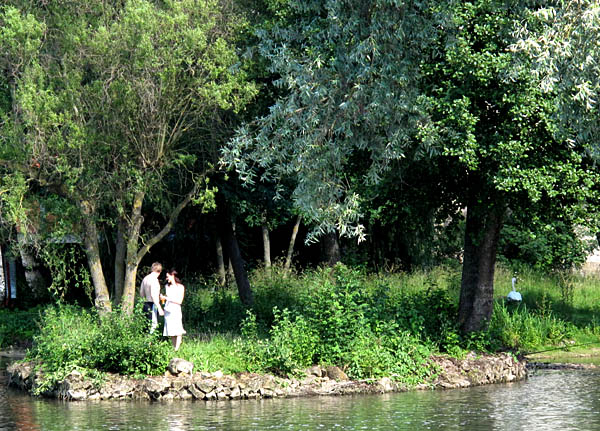
couple-swan-moret-paris-4 090

But, of course, the countryside is not always idyllic; as I started this there was a report on French TV about the high level of suicide amongst those working in agriculture, a symptom of wider hardship.

Progressive art

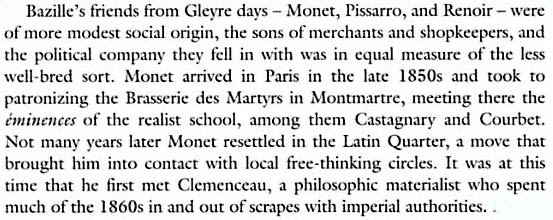
The political views and activities of the Impressionists are not widely known, despite the many popular books about them; just like the CIA backing for Abstract Expressionism in the Cold War (see Rapallo diary). Books tend to concentrate on the formal aspects of their work and on the personal lives of the artists, reinforcing the romantic image of the artist as individual concerned with the expression of feeling and formal issues. But this is misleading, they were social beings, involved in history and in politics of a progressive and sometimes radical kind. In part it was a generational rebellion, against the academic painting of people like Charles Gleyre, in whose studio some of them studied:

imps gleyre-radicals

Impressionists and Politics, Philip Nord

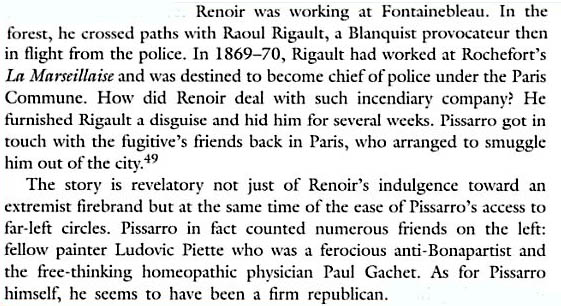
imps-renoir-pissaro_modifié-1

Ibid.

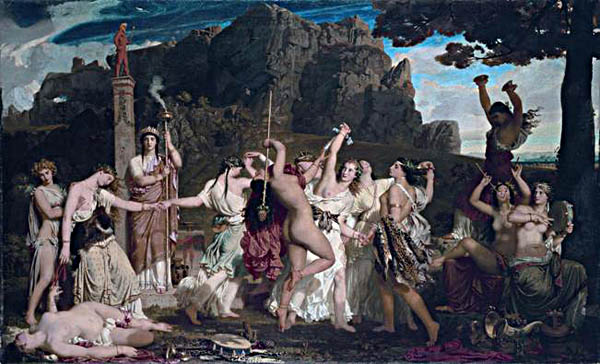
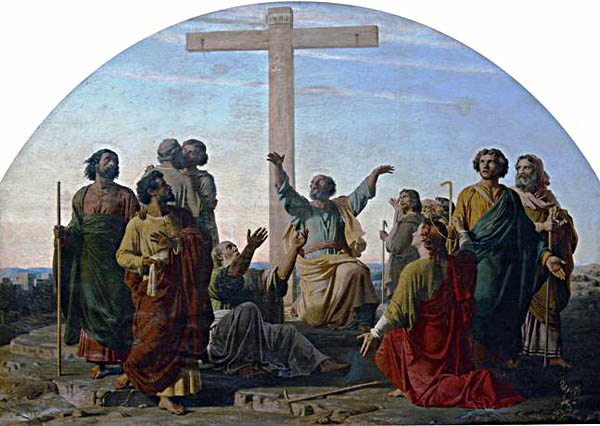
It's important to understand the aesthetic and related political context. When the future Impressionsts began their careers the respected painters were people like their teacher, Charles Gleyre. He was recognised for his very academic paintings on mythological and religious themes, such as The Dance of the Bacchantes:


Gleyre_Danse_Bacchantes


The Impressionists came to reject this style and at the same time the political context which it reflected:

imps-politics

Ibid.

Gleyre_Apotres

The Separation of the Apostles, Gleyre

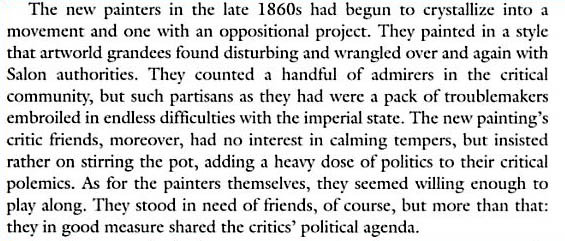
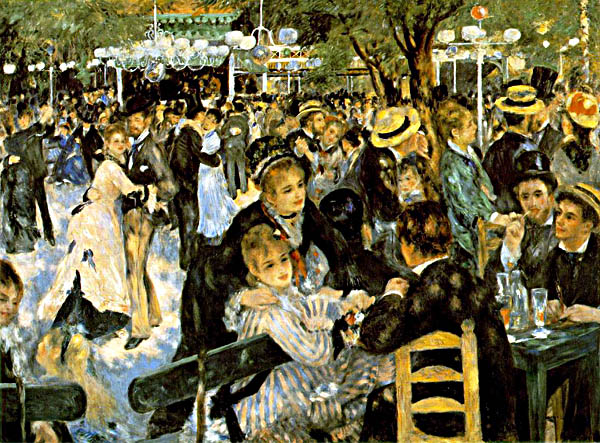
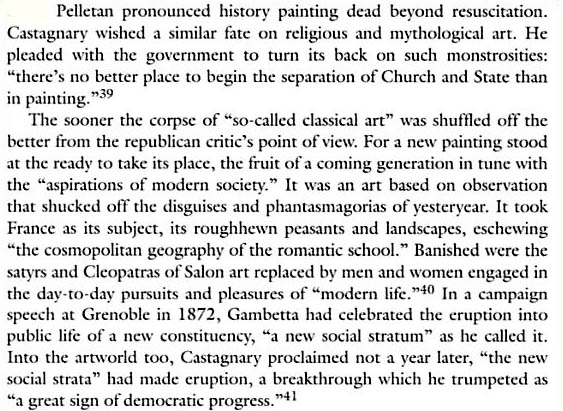
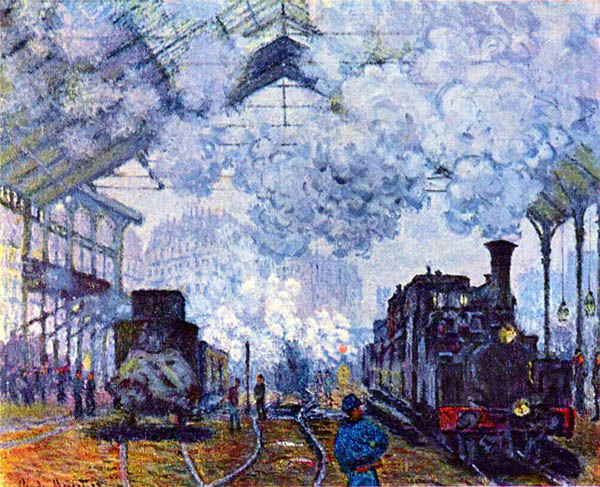
The critics who defended them attacked the classical style, calling for paintings of modern French life and emphasised the connections between art and politics:

renoir-le-moulin-de-la-galette

Moulin de la Galette, Renoir

impress-critics

Ibid.

Monet - St. Lazare Station Paris

Gare St. Lazare, Monet

This is not to say that the Impressionists produced overt political propaganda, and they did rely on middle-class as well as some wealthy collectors, but even these often shared their progressive views.

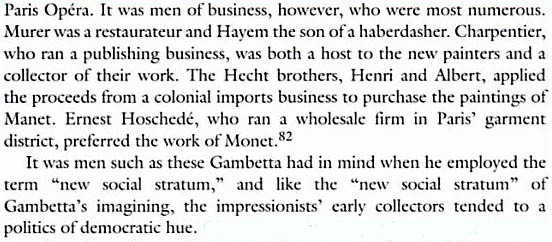
imp-patrons

Ibid.

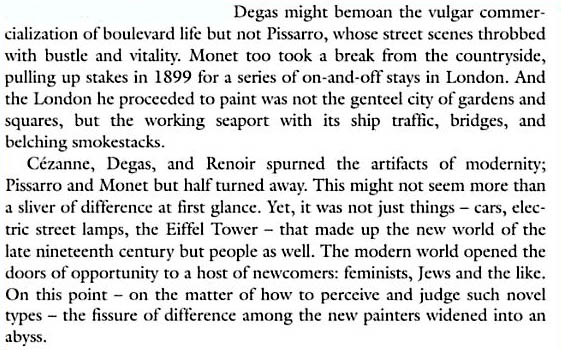
Later some of them, such as Degas and Renoir, became more right-wing, deploring the new urban society, while Monet and Pissarro stayed more radical.

imp-mod life

Pissarro the anarchist

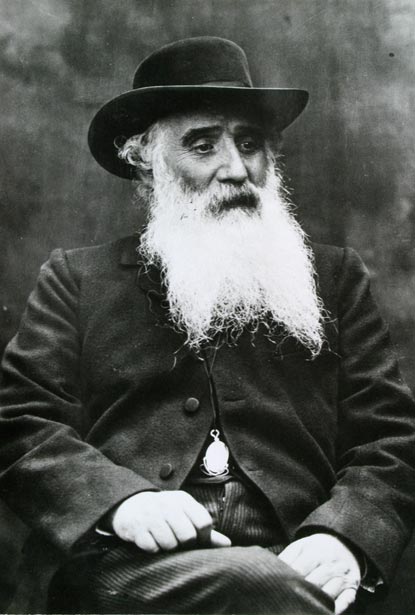
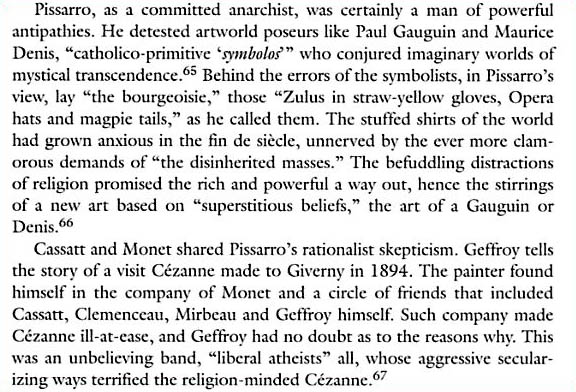
One of the most politically committed was Pissarro, who was scornful of those painters he regarded as supportive of reactionary forces in French society:


pissarro

pissarro-politics

Ibid.


Ironically you now need to be very rich to be able to afford a painting by Pissarro, and exhibitions of his work are accompanied by smart parties for the bourgeoisie:


The National Gallery of Victoria, Australia, is curently showing an exhibition of works by Camille Pissarro, The First Impressionist. And ironically, while contemporary local anarchists will be celebrating ten years of the Black Star on March 4th, Melbourne's yuppies will be celebrating the opening of the exhibition at a "Parisian soiree". Join them, if you wish, "for a beautiful French inspired evening with live entertainment, wine, canapés and a preview of the exhibition." Admission is available to anyone with $55.00 to spare ...

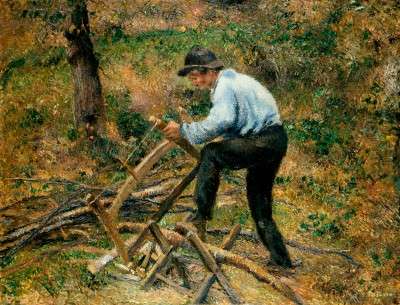
pissarro-woodcutter

Camille Pissarro is revered today as a father of Impressionism. But the radical spirit of one of the world's most revolutionary art movements stayed with him all his life, much to the horror of his dealer.

"He was an active supporter of anarchist politics well into middle age, at a time when anarchists were bombing restaurants, theatres and horse-drawn taxis," says the National Gallery of Victoria's senior curator of international art, Ted Gott.

... Still, the millions (upon millions) of victims of European capitalism and imperialism weren't Presidents or Prime Ministers, Kings or Queens, so who cares? In fact, I expect that contemplating their fate -- and the reasons why Pissarro dedicated much of his life and work to overthrowing the social structures responsible for their deaths -- would only spoil, say, "a beautiful French inspired evening with live entertainment, wine, canapés and a preview of the exhibition". And let's face it, which is more important?
...

Of course, Pissaro's politics is not the only remarkable fact about Pissarro, Impressionism, or, importantly, their legacy to the local Victorian economy:

[The Pissarro exhibition] follows the NGV's 2004 Impressionism exhibition that generated $25.7 million for the Victorian economy and attracted more than 380,000 visitors, including 78,000 from interstate and overseas...

An outcome that would, no doubt, generate joy in Pissarro's heart were he alive today. (Then again, probably only if he could use it to subsidise local anarchist projects.) ...

http://slackbastard.blogspot.com/2006/02/camille-pissarro-anarchist_28.html


800px-Sisley-Small_Meadows_in_Spring

Small Meadows in Spring, Sisley

One year after Sisley died in poverty, one of his paintings sold for 400 times the original price - the serious speculative process had begun and with it went the ideological suppression of the political dimensions of the development of the movement - even Degas had been progressive in his early years. Impressionism was no longer shocking and the subject of bourgeois ridicule, it adorned the homes of even right-wing millionaires and even Pissarro's work provided a decorative background for yuppie parties.

18 Jun 2009

Trois Mailletz

Some people at Patricia's soirée on Sunday expressed interest in visiting the Trois Mailletz, my favourite Parisian bar, so we arranged to meet there on Tues 16th June:

On the way I did my own little tour in the tracks of Sartre and De Beauvoir, partly because I'm reading a book about them: "Dangerous Liasons".

Jardins du Luxembourg, where they were taken as children:

paris4 050-1

and where they went as students to study, flirt and discuss ideas:

paris4 035-1

De Beauvoir's early life was dominated by the Catholic religion - this is just round the corner from where she lived in Rue de Rennes:

paris4 027-1


The Ecole Normale Superiere, where Sartre was a student (she was at the Sorbonne) and where they both took their exam in philosophy for the aggregation, Sartre coming first and she second:

paris4 077-1

Trois Mailletz, Rue Galande, which is now to be Patricia's street

paris4 108-1

Ariane, from Germany, watches Meiko, who was studying opera at the Conservatoire last time I was in Paris:

paris4 099-1

Judy, from Australia:

paris4 100-1

Vanessa (US), Colin (UK), Patricia (US):

paris4 104-1

On the left, Catherine (US):

paris4 103-1

"You played it for her, you can play it for me - play it.":

paris4 105-1

Then I went on to the Caveau de la Huchette again. A lot of people were dancing, even in the interval, when I arrived:

paris4 109-1


The Brad Leali Swing Groupo (USA):

paris4 118-1


paris4 119-2

This time there were a couple of dancers I'd first seen three years ago, they looked like dance teachers, and gave a wonderful performance:

paris4 133-1


paris4 134-1


paris4 131-1

Unfortunately I was over-optimistic about just how late the Metro ran, and, at the first change of line, they announced there were no more trains:

paris4 008

paris4 001-1

So it was a cab back - worth it for another very good night in Paris:

paris4 132-1

14 Jun 2009

Montmartre - "I sing the body electric"

June 10th 2009

After a hard afternoon in the net cafe, a couple of beers in a bar, where two women are having a serious discussion, ah, these French intellectuals:

corps-paris-4 113

The book:


"Je chante le corps critique: Les usages politiques du corps" de Claude Guillon

Usé par le travail, génétiquement modifié par les polluants industriels, formaté par la publicité, la mode et la pornographie, le corps humain a-t-il un avenir? ... A l'heure où la mondialisation brouille les lignes de conflits et les territoires, le corps peut être un lieu de réassurance et d'expression, voilà ce que nous chante cet hymne à la révolte du corps critique.

http://www.amazon.fr/Je-chante-corps-critique-politiques/dp/2845471793

Roughly: "Worn out by work, gentically modified by industrial pollutants, shaped by advertising, fashion and pornography, does the the human body have a future? At a time when globalisation blurs the lines of conflict and territories, the body may be a place of reassurance and expression, it is to this that we sing this hymn to the revolt of the critical body."


The title alludes to a Walt Whitman poem in "Leaves of Grass":

I SING the Body electric;
The armies of those I love engirth me, and I engirth them;
They will not let me off till I go with them, respond to them,
And discorrupt them, and charge them full with the charge of the Soul.
...
http://www.bartleby.com/142/19.html


The bodily context of such intellectual deliberations:

girls-bar-paris-4 114


Then it's over to Montmartre to meet Len, who has a room he's kindly going to let me use next week, above this place:

chez-pradel-paris-4 163


chez-pradel-paris-4 118

Magret or Magritte ?


But we have a meal in a nearby Indian restaurant and chat about Eurotrib and the state of the world. I decide to go back to my hotel in the Marais via Place du Tertre on the Butte Montmartre. Len advises me to get a bus - an electric one! It's plugged in when I get to the stop, so I go across the road to a bar for a glass of red, from where I can see the bus while waiting.

a-j-joffrin-paris-4 120


But the bus driver gets in and pulls away quickly - damn his electrifying speed! I get a cab instead. The driver doesn't seem to understand when I ask for "Place du Tertre" and he starts driving in the wrong direction. I point this out and say it's near the Sacre Coeur. He puts that in his GPS and it directs us to turn round and then we head up the Butte and he drops me in Tertre.

Of course there are a lot of tourists, but it's still a nice place and reminds me of my first trip abroad, when I was an art student. A friend and I hitch-hiked to Paris, where we slept out in sleeping bags on the banks of the Seine and in the Champs Elysee. The police weren't too happy about it, but let us get on with it as poor young Brits. I liked Pace du Tertre then, and we used to stay on after most of the tourists left in the evening and some young Spaniards, who did portraits of tourists, got out guitars and wine and there was a little bohemian celebration each evening.

cab-boheme-paris-4 122


a-musos-tertre-paris-4 139


Back then I took a photo of a girl having her portrait drawn, like this one:

drwg-girl--paris-4 134


"Smile - while you can":

a-graffiti--paris-4 149


a-rustique-paris-4 130

I did a little painting in this street, in the rather dull, Camberwell Art School style of the time. An American tourist took it from me and, to my astonishment, said: "What have you got there boy? Oh, you're not finished yet." Gave it back to me and ambled on.


a-s-coeur-night--paris-4 143

The cafes are closing, time to head back:

a-moulin-galette-paris-4 151


abbesses-paris-4 153


On the Metro there are a lot of people dressed in white:

a-whites--paris-4 154

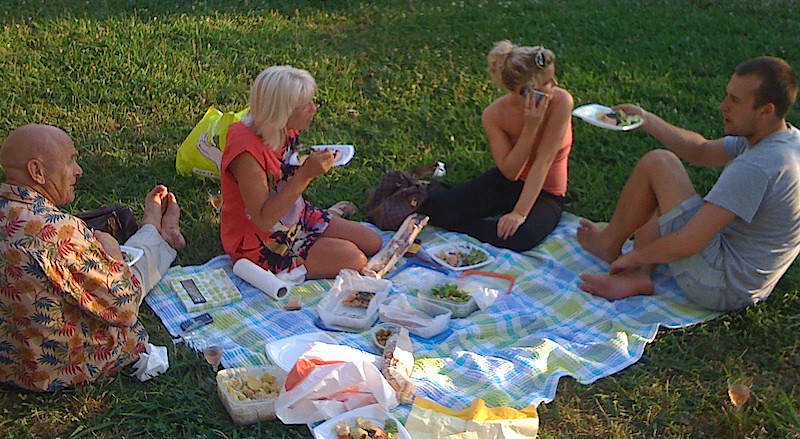
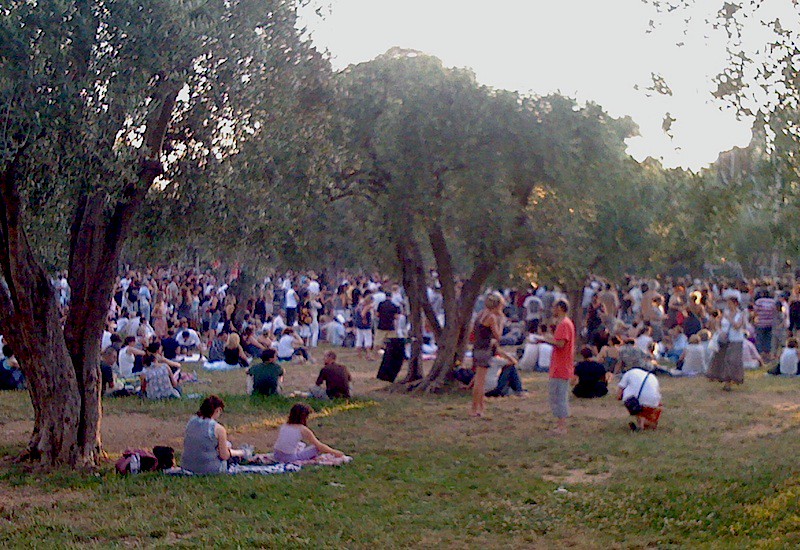
I ask a guy about it, he tells me that 10,000 people in white had a picnic in Place de la Concorde - how apt. Later I read that these "white nights" are held each year, the location announced at the last moment, flash-mob style, and people (police say 5,000) bring their own tables and chairs.

a-whitesst-paul-paris-4 158

Je chante le corps festive.

11 Jun 2009

Back in Paris, 9th June 09

boat-seine-2 124


I'm back in Paris for a much-needed two weeks stay there.

bench-sunset-seine-2 096


I went back to the Caveau de la Huchette, where Nico and the Rhythm Dudes were playing. Sadly, the barman, my pal, Ignacio, retired two years ago, but I chatted a bit with the new barman and we shook hands when I left.

On the way I had a meal at Espace Petit Pont, by the Seine. A huge coktail with firework in it was delivered to four young Americans at the next table. I took some photos and gave them my blog address when I left - as well as remarking on their liking for the word "like" :-)

amer-paris-4 027

amer2-paris-4 028

amer3-paris-4 029


cu-sunset-2 094


bar-boat-ndame-2 131

bar-stork--2 115


I've already been back to my beloved Trois Mailletz:

a-trois-m-extern-2 158

(despite the two guys exiting, it's not a gay place :-) )


The usual pianist and one of the regular opera singers greeted me - just like old times:

a-singer3-2 149


A new pianist, the usual one is on the left:

a-guy-pianist-trois-m-2 155


The staff:

bar-girls--2 145


Caveau de la Huchette, Nico and the Rhythm Dudes:

band-cav-huchparis_3 015


cav-singer-paris_3 019


Getting down with the dancers:

cav-sax-in-aud-paris_3 043


Anything you can do ...

duo-cav-paris_3 050


duo-3-cav-paris_3 054


duo2-cav-paris_3 052


band-down-paris_3 048


There's an easy mix of generations - if you can dance - this guy had a great night and was impressively fit:

dancing-generations-paris_3 026


and a mix of nationalities; the couple in front are Russian - and there's Mr. Fitness with another young woman:

cav-dancers-paris_3 034


Having a great time:

couple-laugh-paris_3 060


On the way back - defending the medical system:

affiche-contra-bachelot-paris_3 072


2 am - Paris almost to myself (very low light level - sharpened a lot, I like it, looks a bit like an etching):

dame-2am-paris_3 068


It's almost like ...

heaven-2 075


Though not for everyone:

guys-on-street-2 067


Parisian activist:

activist-2 026

4 Jun 2009

Comedy club, Akathor pub, Nice

comedy-meetup-3913

Waiting to be amused.


comedy-nice-compere-3916

"You lucky people!"

comedy-nice-3917

"I only look odd to normal people."

comedy-nice-3918

"Don't try dressing like this to go to a late-night kebab place - unless you have my conflict management skills."

3 Jun 2009

Night in old Nice

a-moon-pal-j-3866

Palais de Justice

a-meal-streetchateau-3882

I removed a motorcyclist, if only one could do this in reality - on a mass scale :-)


cook-pizza-3883

font-oldtown-3875

distill-ideales-3893

Distilleries Ideales - nice pub.

a-rancher-3891_modifié-1

We tend not to look up - never noticed this before - Nicois poet.

adam-eve-3897

Hadn't noticed this before either, though I must have passed it dozens of times.

diables-3905

c-saleya-night-3903


a-tram-massena-3909

Waiting for the tram.

4 May 2009

Rapallo/Portofino

I had thought this was going to be a fairly short, light piece, but when I got back and started reading more about Rapallo, I learned about some darker aspects and connections between art, treason and conspiracy. It falls into two sections, so if you prefer the lighter version, jump off at the blue palm.

If you are into history and intellectual debates about art and politics, the CIA and cultural imperialism, press on beyond the reflection of the palm into a "wilderness of mirrors".


blue-sea-italy-3033

This was taken on the way to Rapallo, just after Alassio, where, as with much of the Italian Riviera coast, it's very hard to find somewhere to park, but once you've done so, there is a great sense of space.

M likes a touch of class, and works hard in one of Nice's best hotels, so I booked a couple of nights in the Grand Hotel Bristol, Rapallo - if it was good enough for Hemingway ... (we'll forget about that other guest, Mussolini - at least for now).

bristol-rapallo-3184

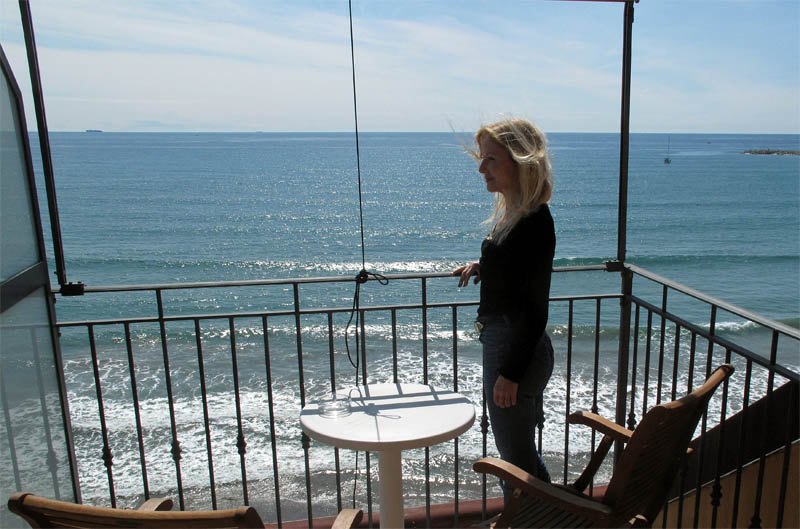
She was very pleased to have a room with this view:

balcon-m-bristol-3202

bristol-pool-rapallo-3040


Rapallo Castle:

castle-rapallo-beach-2-3052


"Rapallo castle is the main symble of the town and it has been declared as a national monument by the Cultural Ministry. It'also erroneously known as mediaeval castle, but it was built in 1551. It's on the Rapallo sea, and it was built after an incursion by the Turkish pirate Dragut in 1549. He kidnapped a hundred of children and maiden who become his slaves on his boats. Therefore, the Genoan Captain Gregorio Roisecco advised Rapallo to build a castle in order to protect the village. Nowadays, the castle is one of the several element of the Ligurian region that deserve to be visited by those people who like the culture."

http://www.globeholidays.net/Europe/Italy/Liguria/Rapallo/Rapallo_Castello1.htm


It now houses occasional exhibitions.


Rapallo has some claim to a connection with Columbus:

columbus-rapallo-3065

"Go west - to go east"

Cf.: http://www.mahalo.com/The_Day_the_Universe_Changed_Episode_3

boy-fishing-rapallo-3063

"I'm a boy and I'm telling you this is how you do it."

bimbi-shop-rapallo-3067

Father: "I can't bear to look." Baby: "Don't they understand there's an economic crisis ? Never mind the toys, just keep my bottle filled."


a-montse-meal-sat-3076

Serious decisions.

Saturday we went to Portofino:

bay-boats-portofino-3121

We had hardly stepped ashore when an attractive young woman approached me - with microphone and TV cameraman - asking where I was from and what I thought of Portofino - a bit prematurely. I said I liked all the cafes around the harbour with no traffic and everywhere was like a picture. Maybe I was on Italian TV that evening ! I think perhaps the story was about the effects of the crisis on tourism. In Nice Matin when we got back it was reported that tourism was 15% down in Nice in the first quarter of 2009.

But there was little sign of a lack of tourists that sunny saturday in Portofino:

crowd-cafes-portofino-3147

Though maybe they were spending less:

family-art-portofino-3137

M is always looking for elegant things:

fashion-montse-portofino-3141

I see things from a slightly different perspective:

fashion-portofino-3143

This reminds me of a Magritte crossed with a Mondrian:

bluedream-portofino-3139

What is the "blue dream" behind the green door?


Midnight, one more night without sleepin`.

Watchin` till the morning comes creepin`.

Green door, what`s that secret you`re keepin`?

There`s an old piano and they play it hot

behind the green door.

Don`t know what they`re doin`, but they laugh alot

behind the gren door.

Wish they`d let me in so i could find out

what`s behind the green door.


I start to worry about having to queue for a long time, or even missing the last boat - which is at 7 pm - when the locals can have a bit of peace:

boat-queue-portofino-3135

Mercifully we didn't have to queue for too long. On the way back to Rapallo we passed this great ship:

a-sail-ship-3104

There's a lot more space in Rapallo:

bysea-rapallo-3045


Our stay is too brief and we head back on Sunday:

autos-return-3209

On the way to Rapallo we'd driven on a very clear motorway, past miles of traffic jams in the other direction, what a relief not to have been in that. Now, on the way back, the traffic jams were in the other direction. Maybe the Italians are more enthusiastic about France, than the French are about Italy:

blue-pool-palm-3185

The pool at the Bristol.

We had an easy drive back to Nice - where other palms float against blue.

The Darker side

castle-night-cafe-3080

Rapallo's most notorious ex-pat was the poet Ezra Pound; during World War II he did some radio broadcasts and wrote articles supporting Mussolini. He was charged with treason, but judged to be insane and spent years in an asylum in the US before returning to Italy - apparently unrepentent:


... the regret bears on the failure of the ideals not on the ideals themselves, and the Pisan Cantos teem with references to the original utopian project that underpins the allegiance to fascism ... “those words still stand uncancelled, / “Presente!” / and merrda for the monopolists” (LXXVIII 99). The exclamation “Presente!” is at the same time an indirect quote from the subtitle of Canto LXXII (“Presenza”), one of Pound’s few but very violent cantos in Italian, and a direct quote of the Fascist salute to the Duce. Such examples undermine the reading of the post-Pisa cantos in terms of recantation ...

http://erea.revues.org/index364.html


pound-mug_shot

American treatment of prisoners, even a 60 year-old American, paid little attention to Geneva conventions even then; he was held in an open-air cage in Italy for weeks.

The Wikipedia entry about him is something of an apologia (cf. Kazin's very critical views below):


Ezra Weston Loomis Pound (October 30, 1885 – November 1, 1972) was an American expatriate poet, critic and intellectual who was a major figure of the Modernist movement in the first half of the 20th century. He is generally considered the poet most responsible for defining and promoting a modernist aesthetic in poetry...
...
On 10 October 1924, Pound left Paris permanently and moved to Rapallo, Italy. He and Dorothy stayed there briefly, moving on to Sicily, and then returning to settle in Rapallo in January 1925.

...
according to his biographer Humphrey Carpenter "The broadcasts were 'a masterly performance'."[14]. Carpenter wrote "Certainly there were Americans who, in 1941, would have agreed with virtually every word Ezra said at the microphone about the United States Government, the European conflict, and the power of the Jews."[15]. The broadcasts were monitored by the Foreign Broadcast Monitoring Service of the United States government, and transcripts, now stored in the Library of Congress, were made of them. Pound was indicted for treason by the United States government in 1943.

http://en.wikipedia.org/wiki/Ezra_Pound


While his political interventions may have had little effect, some argue that some academics' defense of his poetry had an unfortunate effect on literature and literary criticism:


The Pisan Cantos were awarded the first Library of Congress Bollingen Award by a panel of internationally famous poets in 1949, and have since been surrounded by furor. An admitted fascist under indictment for treason because of wartime radio broadcasts made in support of the Axis cause, Pound was being honored for poems that lamented the passing of fascist and Nazi collaborators, and the general public rose up en masse.

In constructing a defense of Pound, the Bollingen judges and an international array of prominent writers fell back on formalist criteria of poetic value and helped to forge a mandarin, politically conservative "New Criticism" that would dominate the next two decades of literary discourse and ultimately become the primary target of poststructuralist theory ...

http://muse.jhu.edu/login?uri=/journals/modernism-modernity/v002/2.3bush.html


In 1986, Alfred Kazin was quite scathing about Pound's academic defenders and there was a very lively exchange in the New York Review of Books. Kazin responded to those who'd criticised his article:


... The "museum of modern literature" exists in the minds of professors who decade after decade keep annotating every last particle in Pound because they are curators, not critics. I don't accuse them of "playing it safe." They just can't see beyond their noses. The Cantos, for all their occasional beauty, are in my opinion an essentially disordered work. The violent distortions of history, the scatalogical ugliness of Pound's epithets for English literary enemies, Jews, etc., the idolatry of the murderer Musolini as a "twice-crucified" Redeemer eaten by "maggots" (the Italian people) - such violations of truth and art, of all that we have left of civilization in this century of totalitarian horror, mean nothing to curator types.
...

Professor Weiss accuses me of not noting "Pound's profound hatred of war, his powerful attacks on it in Mauberley, the Cantos and elsewhere." Here is a perfect example of the way curators ignore the actual historic circumstances surrounding their sacred object. Pound's horror of the first World War in Mauberley and elsewhere did not extend to the Second, in which he was a propagandist for what Churchill called "the worst crime in human history."
...

http://www.nybooks.com/articles/5012


pound-conf2

http://www.orgs.muohio.edu/ezrapound/index.php

In searching for images of Pound I was happy to come across this, which actually shows him in Rapallo in the 1930s. It also shows that the "curators," as Kazin described them, go on celebrating Pound, e.g. in the 21st conference on Pound organised by Miami university, not to be confused with the University of Miami, the former, to add to the confusion, is in Oxford, but Oxford, Ohio. The conference was held in Rapallo in 2005, where:


... participants ... will have the opportunity to relax in the seafront Caffé Rapallo, under the balcony of Ezra and Dorothy Pound's apartment in Via Marsala, once the headquarters of the "Ezuversity." ... There will be visits to Sant’ Ambrogio, where Pound lived with Olga, which forms the background of some of his most haunting lines

http://www.orgs.muohio.edu/ezrapound/

No mention, of course, of the more embarrassing "haunting lines" from the wartime broadcasts, e.g.:


Just which of you is free from Jewish influence?
Just which political and business groups are free
from Jew influence, from Jew control?

[broadcast, 19 March 1943]

http://ejournals.library.ualberta.ca/index.php/pi/article/viewFile/1374/919


But then I was stunned to note the credit for the photo of Pound in Rapallo, it was taken by James Jesus Angleton !

Some of you may also be familiar with the name, perhaps the most notorious conspiracy theorist, who, like his poetic hero, Pound, was also alleged to be insane - paranoid; he even suggested that Henry Kissinger was a Soviet agent.

"A wilderness of mirrors"

The phrase "wilderness of mirrors" appears in a 1994 song by the Canadian rock trio Rush. Lyricist/Drummer Neil Peart used the phrase in the song "Double Agent," and cites both Angleton and T. S. Eliot [friend of Pound] in the liner notes as sources of the phrase."

Wikipedia


Angleton

James Jesus Angleton (December 9, 1917 – May 12, 1987) ... was a long-serving chief of the Central Intelligence Agency's (CIA) counter-intelligence (CI) staff (Associate Deputy Director of Operations for Counter-Intelligence/ADDOCI).
..
Angleton is notable for his long tenure as the CIA's foremost "spy catcher" (as chief of counter-intelligence), but also for being deceived by the Soviet spy, Kim Philby ... Angleton's faith in his abilities was deeply shaken by Philby's success. From that point onward, Angleton was increasingly convinced that CIA was penetrated by other Soviet moles.

A poetry aficionado with known ties to Ezra Pound and T. S. Eliot ... Angleton functioned as principal adviser to successive Directors of the CIA, most notably Allen Dulles and Richard Helms. His excesses as a counter-intelligence czar, arising from extreme paranoia that may have been clinical, had adverse effects on the Agency, especially during the 1970s.

According to former CIA officer Robert Baer: "Angleton was truly a bit of a lunatic. He fancied himself as a serious poet ... In fact, he fairly well destroyed the CIA single-handedly because of his paranoia. He put a security system into place that ensures even today that CIA people work in a bubble, isolated from the way the world works."

...

http://en.wikipedia.org/wiki/James_Jesus_Angleton


Or, as Kazin said of the "curators": "They just can't see beyond their noses."

Unlike Pound, Angleton wasn't charged with treason, not even with illegal acts, yet:


... Colby then demanded Angleton's resignation, after Seymour Hersh told Colby on December 20, 1974, that he was going to publish a story in The New York Times about domestic counter-intelligence activities under Angleton's direction against antiwar protesters and other domestic dissident organizations.
...
These illegal surveillance activities resulted in the generation of 10,000 case files on American citizens ...

ibid

Subverting Italian elections

The consequences of Angleton's activities were far worse for the Italians, but would have been applauded by Pound:


Angleton's personal liaisons with Italian Mafia figures helped the CIA in the immediate period after World War II. Angleton took charge of the CIA's effort to subvert Italian elections to prevent communist and communist-related parties from gaining political leverage in the parliament.

ibid


This was despite the major role which the Italian communists had played in resistance to the Nazis. I don't suppose many left-wing Italians living in Rapallo will be celebrating the work of Pound, still less that of his fan, Angleton.

"Free enterprise painting"

But Angleton and CIA did not confine themselves to politics, at least not in a narrow way, as so often, art was a political tool, particularly effective when its connection to politics was not so evident, but apparently "pure", the expression of individual sensibility and concerned with form - the kind of attitude behind the academic defense of Pound:


Simultaneously, the US did not hesitate to sink huge sums of unaccounted funds into the CIA’s campaign to "culturally" fight communism. This culminated in the Congress for Cultural Freedom, which was rooted into place by 1950. The general idea was to parade art (writing, visual arts, music) that was as antithetical as possible to Stalinist dictums about what art should be. Art was to represent "freedom," a nebulous concept without a context. The idea was that this pro-American freedom was a freedom of the individual, with the emphasis on every-man-for-himself. No political doctrine was going to tell these artists what to do.


gottlieb

"Untitled" Adolph Gottlieb

...
Eva Cockcroft wrote about Abstract Expressionism in Artforum (No. 12) in 1974: "To understand why a particular art movement becomes successful under a given set of historical circumstances requires an examination of the specifics of patronage and the ideological needs of the powerful."

Why was Abstract Expressionist art singled out by the CIA/State Department as an essential weapon of the cultural Cold War? Why did Nelson Rockefeller purchase over 2500 pieces of Abstract Expressionist art and use these paintings to decorate the lobbies of Chase Manhattan banks? And then, why was New York’s Museum of Modern Art so terrifically enthusiastic over this specific art movement?
...
Adolph Gottlieb and Mark Rothko, who went on to become superstars of Abstract Expressionism, led the Federation of Modern Painters and Sculptors fervently against the communist presence in the art world. Even before the tremendous disillusionment that prevailed at the end of the War, the late ’30s brought artists a sense of betrayal by the Soviet Union. They thus took a turn toward Trotskyism, which upheld the belief that art in and of itself was subversive, and should be left free to develop on its own without political restrictions. From there, a new ethos took root: the individual as king.

http://www.slowart.com/articles/cia.htm


" ... the CIA named its biggest front in Europe the Congress for Cultural Freedom. It worked. Soviet art became a laughing stock, and New York became the center of the art world, not Paris, where Picasso, a long-time member of the Communist party and winner of the Stalin Peace Prize (who can forget his doves of peace?), still reigned supreme.

The CIA had stolen the show from Picasso, taking art a step further into a near mystical expression of unfettered human liberty in the spirit of free enterprise. Nelson Rockefeller, whose family created the MoMA, actually referred to Abstract Expressionism as 'free enterprise painting.' ... "

http://www.lewrockwell.com/orig3/cummings3.html


good_shepherd_l2

Art catches up with life: "The 2006 film The Good Shepherd is loosely based on Angleton's life and his role in the formation of the CIA." Wikipedia.


The central character is Edward Wilson (a convincingly grey and serious Matt Damon), a literary scholar from a distinguished WASP family, who becomes a member of the world's most exclusive secret society, Skull and Bones, while a student at Yale. Based in part on the famed superspook and counterintelligence expert James Jesus Angleton (though much saner)
...
There's a key moment when a Mafia boss (Joe Pesci), being lured into a plot against Castro, talks about what blacks, Italians, Jews and Irishmen have that gives them a consoling cultural identity. 'But what have you got?' he asks this quiet, complacent WASP. 'The United States of America,' Wilson replies. 'The rest of you are just visiting.'

Philip French

http://www.guardian.co.uk/film/2007/feb/25/robertdeniro.mattdamon


Angleton and Rothko were both working for this elite, but Rothko was not happy with his "superstar" success, which led to a major commission:


In 1958, Rothko was awarded the first of two major mural commissions that proved both rewarding and frustrating. The beverage company Joseph Seagram and Sons had recently completed their new building on Park Avenue, designed by architects Mies Van der Rohe and Philip Johnson. Rothko agreed to provide wall paintings for the building’s restaurant, The Four Seasons.
...
The following June, Rothko and his family again traveled to Europe. While on the SS Independence he disclosed to John Fischer, publisher of Harper's, that his true intention for the Seagram murals was to paint "something that will ruin the appetite of every son-of-a-bitch who ever eats in that room. If the restaurant would refuse to put up my murals, that would be the ultimate compliment. But they won’t. People can stand anything these days."

http://en.wikipedia.org/wiki/Mark_Rothko


Well, the kind of people who could afford his prices could not only stand his paintings, they happily promoted it. His work was bought by a small elite, such as the Rockefellers, the elite to which Angleton belonged and which, through the CIA, was using art to defend its new empire.

rothko-rockefeller

It seems that Nietzsche was a major influence on Rothko, but, given the context and his cynicism about it, he lacked Nietzsche's affirmative attitude to life as formulated in "Thus Spake Zarathustra":


Virilio quotes Mark Rothko as stating that he 'trapped the most absolute violence' in his works (2003: 38). Virilio discusses none of Rothko's paintings, much less how Rothko's statement illuminates any particular Rothko canvas. Rather, for Virilio, this statement confirms that Rothko's suicide was an inevitable consequence of Rothko's rejection of human form's representation. By committing suicide, Rothko exercised 'the most nihilistic of freedoms of expression: that of SELF-DESTRUCTION' (Virilio, 2003: 38).

http://www.culturemachine.net/index.php/cm/article/view/211/192


This brings us back to Rapallo:


The following winter I stayed in that charming quiet bay of Rapallo ... it was on these two walks that the whole of Zarathustra occurred to me, and especially Zarathustra himself as a type: rather, he overtook me.

http://www.geocities.com/thenietzschechannel/eh11.htm


In his major work, Zarathustra, Nietzsche fundamentally reworks the idea of eternal recurrence ...

... Nietzsche believed he had created the greatest model of life-affirmation with the eternal recurrence ... Nietzsche wished ... to accord the utmost value to the process of life itself, and in this sense, his formula of recurrence was an experiment with unqualified affirmation.

http://www.temple.edu/gradmag/summer99/berger.htm


But then it's not so difficult to be life-affirming - in places like Rapallo:

neitzsche-rap-3179

- or Nice, where Nietzsche spent the following six winters and completed Zarathustra:

a-n-terrace-nice-2628